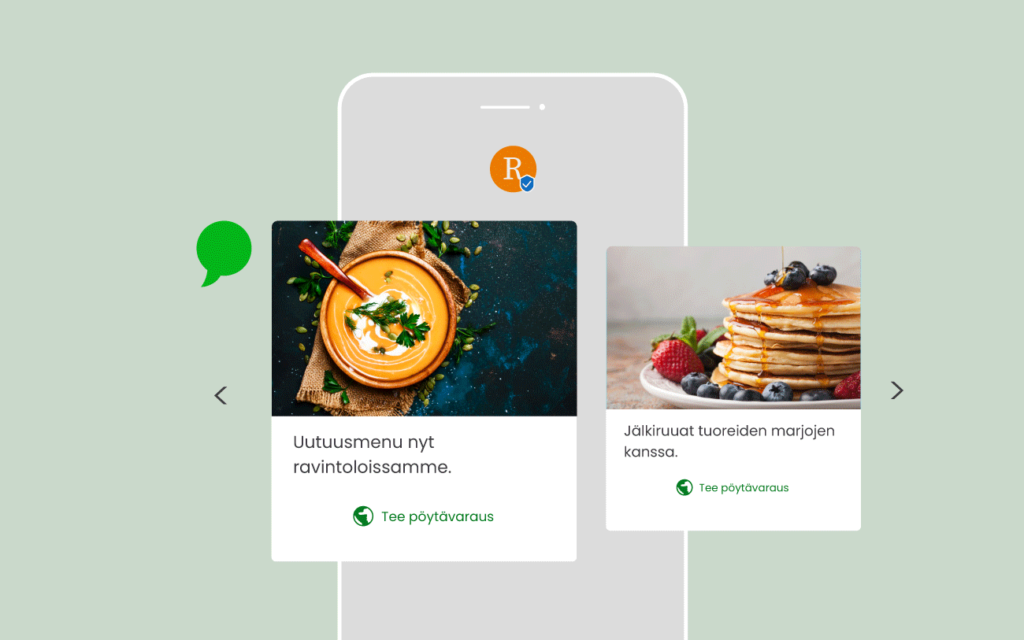
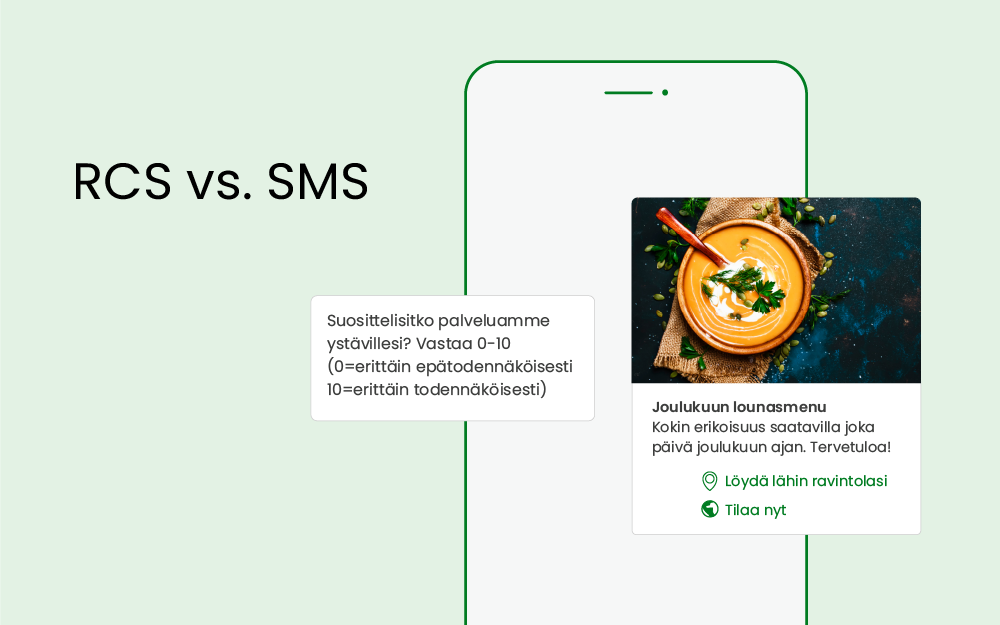
SMS has established itself as an effective and secure communication channel - and its popularity is growing. At the same time, the communications industry has undergone major changes, and one of the most significant developments is the development of a richer communications standard. RCS, or Rich Communication Services, is a richer version of SMS and will be an essential part of the future of mobile communications for businesses.
In this blog, we look at the differences between SMS and RCS and why businesses should consider RCS.
SMS - traditional and simply effective
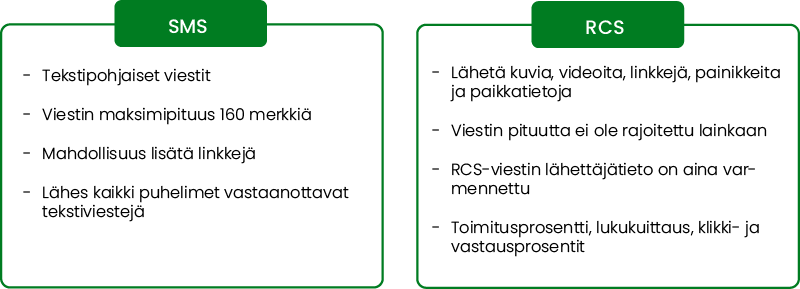
SMS has long been an established communication channel and has worked reliably in many situations. Because SMS is so common, you can use it to reach almost any user without having to connect to a WiFi or data service to receive the message. It also acts as a fallback option when messages cannot be delivered through other channels.
The widespread use of SMS means that it will continue to play an important role among communication channels. One of the absolute advantages of SMS is its comprehensive and effective reach. You can reach a large number of people in no time, from anywhere in the world. However, the limitation of SMS to plain text also limits the communication experience. SMS messages do not support media content or interactivity in the same way as RCS messages.
RCS - built for the future
RCS offers a solution to the limitations of SMS with richer media content, providing an app-like experience with images, videos, maps and buttons. RCS enables the transmission of high-quality content that promotes interaction.
Content cards
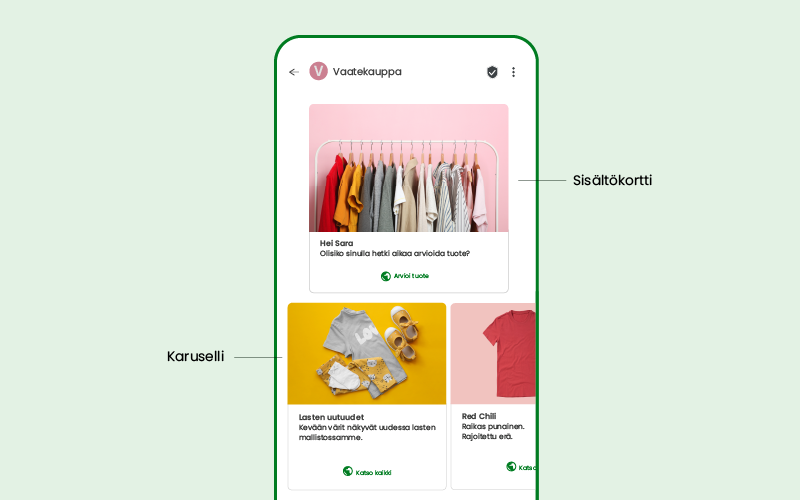
Content cards are a feature of the RCS message that allows rich content to be sent to the user. Content cards can contain media, text and even suggested responses and actions for your users. You can include JPG, PNG, video and audio files in your content cards.
Content cards can be sent individually or grouped into a carousel, allowing multiple options to be presented in the same message.
Suggested replies
Pre-defined response options guide the recipients in the discussion and facilitate interaction. Companies can include pre-defined responses in messages, for example to collect customer feedback or confirm delivery times. When messages are easy, quick and pleasant to respond to, response rates increase.
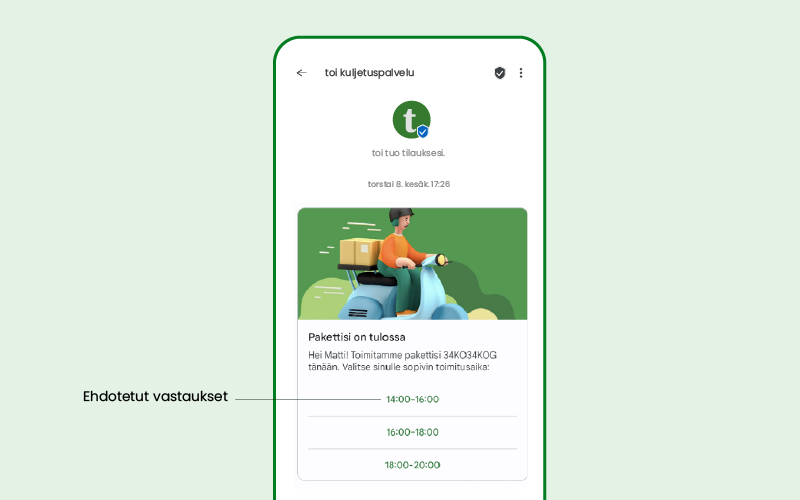
Proposed activities
In addition to the suggested answers, you can include action buttons that take advantage of the user's device and its functionality. These buttons allow users to perform a variety of tasks, such as opening a web page, calling customer support or opening a map.
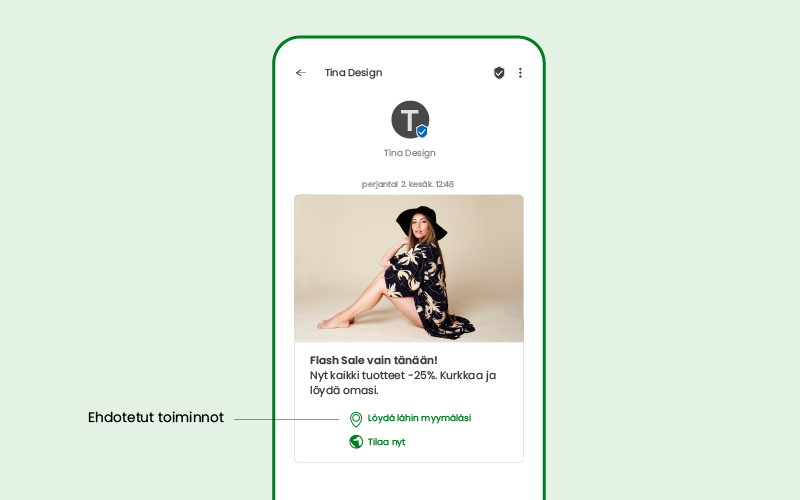
Analytics
RCS also allows for more sophisticated analytics than SMS. RCS messages provide information on delivery rates, read rates, click and response rates. You can analyse the effectiveness of campaigns and messages and optimise messages for even better results.
Why should companies consider RCS?
1. Richer content: RCS allows you to broadcast more diverse media content, which improves the efficiency and effectiveness of your communications.
2. Interactivity: customers can reply to messages directly through the messaging app. The result is more interactive and engaging conversations.
3. Branding: RCS allows you to brand your messages with colours, images and logo. This provides a consistent communication experience across devices.
While SMS is still useful in certain situations, RCS represents a clear evolution in the way you want to offer more versatile customer communications. RCS can open up new opportunities and create stronger customer relationships through richer and more interactive communications.
Let's talk more Book an appointment Quriirin with an expert.